Physical Address
304 North Cardinal St.
Dorchester Center, MA 02124
Physical Address
304 North Cardinal St.
Dorchester Center, MA 02124

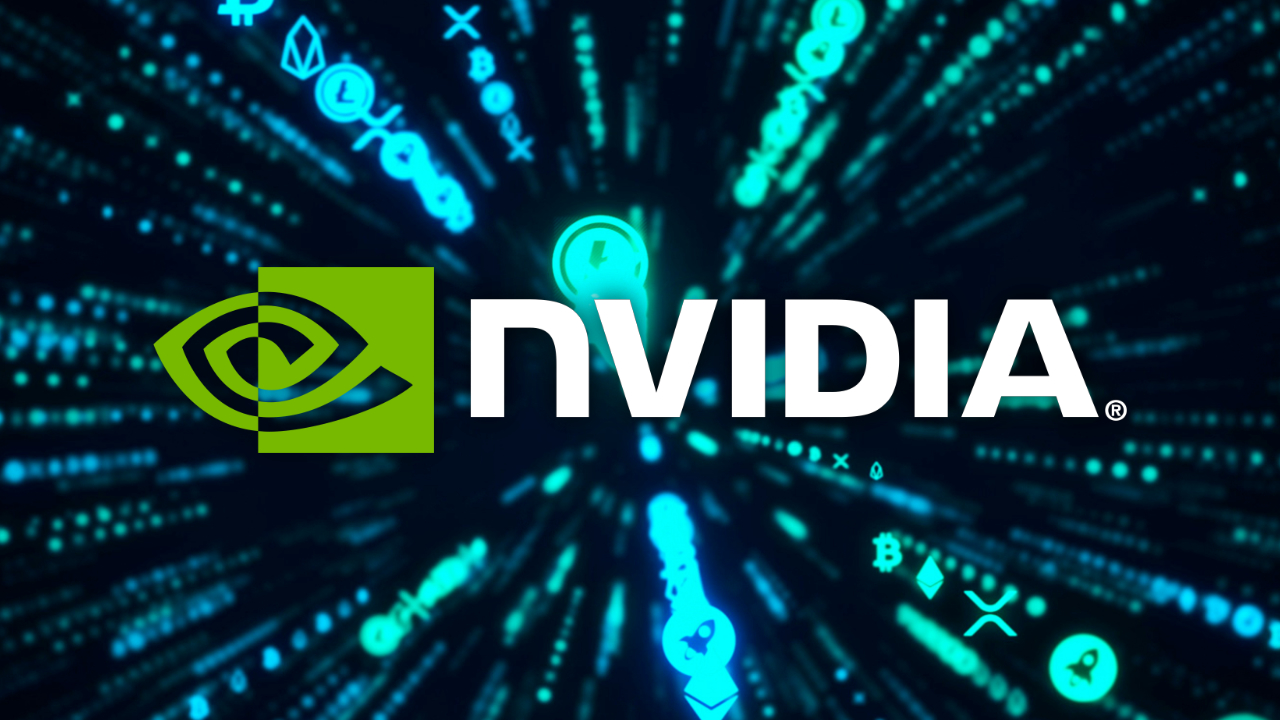
Nvidia Hits $5 Trillion: Inside the AI Gold Rush
You’re scrolling through your phone, past a few questionable memes and a friend’s holiday snaps, and then you see it: Nvidia has hit a $5 trillion market cap.
You might blink, take a sip of your coffee, and read it again. Five trillion? That’s a number so bonkers it barely seems real. It’s more than the entire annual economic output of major countries like Germany. It’s a figure that makes even tech giants like Apple and Microsoft look over their shoulders.
If your first thought was, “Wow, I wish I’d bought some of that years ago,” you’re not alone. And if your second thought was, “Is it too late? How do I even get a piece of that action?” then you’ve come to the right place.
The Nvidia story isn’t just a wild headline; it’s the perfect, real-world case study for anyone thinking about dipping their toes into the world of stock investing. So, let’s break down this AI gold rush and turn that FOMO (Fear Of Missing Out) into a practical plan.
First Off, What on Earth is Happening with Nvidia?
So, how did a company once famous for making the graphics cards in gaming PCs become the most valuable company on the planet?
Imagine a massive gold rush. Everyone is scrambling to find gold. Nvidia isn’t selling the gold itself; it’s selling the picks and shovels.
In today’s world, the “gold” is Artificial Intelligence (AI). And the “picks and shovels” are Nvidia’s incredibly powerful chips, called Graphics Processing Units (GPUs). These are the essential bits of kit needed to build and run everything from ChatGPT to complex scientific models.
Nvidia has a near-monopoly on these tools, with an estimated 90% market share. Tech behemoths like Microsoft, Amazon, and Meta (Facebook’s parent company) are buying these chips like they’re going out of style.

To put its growth into perspective:
This isn’t just a company doing well; it’s a company at the very heart of a technological revolution. But with great power (and a sky-high stock price) comes great risk…
Is This an AI Bubble?
You’ve seen this movie before. The dot-com boom, the crypto craze. When something gets this big, this fast, you have to ask the tough question: is this a bubble waiting to pop?
Many analysts are whispering about it, and one of the biggest red flags is something called vendor financing, or “round-tripping.”
Stay with me, it’s simpler than it sounds.
Here’s the clever, slightly sneaky trick:
It’s a bit like you lending a friend twenty bucks, and they immediately use it to buy a product from your online store. On paper, your sales have gone up, but has any new money actually entered the system? Not really.
Why is this a concern?
This doesn’t mean Nvidia is a house of cards. Optimists, like star investor Cathie Wood, believe this is just the beginning. But it’s a crucial piece of the puzzle you need to be aware of. Investing isn’t about blindly following the hype; it’s about understanding both the shiny upside and the murky downside.
Okay, I’m Intrigued. How Do I Actually Start Investing in Stocks?
Right, enough theory. You’ve seen the potential and the pitfalls with Nvidia. Now, how do you go from being a curious bystander to an actual investor? It’s easier than you think. Here’s your step-by-step guide.
Step 1: Figure Out Your ‘Why’ (And How Much You Can Afford)
Before you download a single app, have a chat with yourself. Why are you investing?
Your goal will determine your strategy. And please, only invest what you can genuinely afford to lose. Your rent and bill money is off-limits!
Step 2: Choose Your Account Type
Depending on where you live, there will be different types of investment accounts available. Many countries offer tax-advantaged retirement accounts (like a 401(k) or Roth IRA in the US, or an ISA in the UK). These accounts are fantastic because they let your investments grow with little to no tax.
Here’s a quick comparison of the two main types you’ll encounter:
| Account Type | Tax-Advantaged/Retirement Account | Standard Brokerage Account |
| Tax on Profits? | Often tax-free or tax-deferred. | Yes, you’ll likely pay capital gains tax. |
| Withdrawals? | Usually restricted until a certain age. | Flexible, you can withdraw anytime. |
| Best For… | Long-term goals like retirement. | Shorter-term goals or after you’ve maxed out retirement accounts. |
| The Vibe | The smart, sensible long-term plan. | The flexible, “I want access to my money” account. |
The takeaway: If you’re investing for the long term, prioritize any tax-advantaged accounts available to you. For everything else, a standard brokerage account works perfectly.
Step 3: Pick Your Platform (Your Gateway to the Markets)
You don’t need a fancy suit or a contact on Wall Street anymore. You use a slick, easy-to-use app on your phone. Popular global choices include:
Robinhood: The US-based app that kickstarted the commission-free revolution. Famous for its slick, minimalist interface that made investing feel like a breeze for millions of new traders.
eToro: Very popular globally for its simple design and unique “social trading” features, which let you see and even copy the trades of experienced investors.
Trading 212: Hugely popular in the UK and Europe, offering commission-free trading and the ability to buy fractional shares in a clean, user-friendly app. A top choice for those outside the US.
Fidelity / Charles Schwab: These are massive, well-established US brokers with great research tools, a huge range of investment options, and excellent customer service. Perfect for those who want a more traditional, robust platform.
Interactive Brokers: A powerhouse platform for more serious, active traders. Known for its incredibly broad market access (letting you trade on exchanges all over the world) and professional-grade tools.
Bamboo: A fantastic platform for users in Africa (like Nigeria and Ghana), providing direct and easy access to invest in US stocks and build global portfolios right from your phone.
Do a bit of research on what’s available and highly rated in your country. Check their fees for things like trading commissions and currency conversion (important for buying stocks outside your home market), and pick the one that feels right for you.
Step 4: Do Your Homework (Don’t Just Follow the Hype!)
Remember our deep dive into Nvidia? The good, the bad, and the vendor financing? That’s doing your homework.
Before you buy a single share, ask yourself:
Never invest in something just because everyone on social media is talking about it. A good investment is one you understand inside and out.
Step 5: Diversify, Diversify, Diversify!
This is the golden rule. Don’t put all your eggs in one basket.
As exciting as Nvidia is, going all-in on one stock is incredibly risky. If things go south, your entire portfolio goes with it. The smart move is to spread your money around.
Buy different stocks: A bit of tech, a bit of healthcare, a bit of a boring but reliable consumer goods company.
Consider an ETF: An even easier way is to buy an Exchange-Traded Fund (ETF). An S&P 500 ETF, for example, lets you buy a tiny piece of the 500 biggest US companies (including Nvidia, Apple, and Microsoft) in a single transaction. It’s instant diversification.
Frequently Asked Questions (The Quick-Fire Round)
Q: So, why is Nvidia’s stock soaring again?
A: In short, they have a near-total monopoly on the essential hardware (GPUs) needed for the AI revolution. Everyone from Microsoft to OpenAI needs their “picks and shovels.”
Q: What are the biggest risks of investing in Nvidia right now?
A: The main risks are its sky-high valuation (is it an “AI bubble”?), concerns over “round-trip” vendor financing deals that may inflate revenue, and geopolitical tensions as the US and China battle for tech supremacy.
Q: Should I buy Nvidia stock today?
A: Disclaimer: This is not financial advice! The answer depends entirely on your personal risk tolerance and financial goals. It’s a high-growth, high-risk stock. For a beginner, it might be wiser to get exposure to Nvidia through a diversified global or tech-focused ETF rather than buying the individual stock.
Your Investing Story Starts Now
The incredible rise of Nvidia to $5 trillion is more than just a headline; it’s a lesson. It shows the explosive power of innovation, the importance of understanding risk, and the massive opportunities available to everyday investors.
You don’t need to have predicted Nvidia’s rise to be a successful investor. You just need to start. Begin with a small amount, open an account, do your homework, and focus on building a diversified portfolio for the long term.
The journey from zero to your first investment is the hardest part. But once you start, you’ll be writing your own financial success story.
Ready to start your own investing journey? What’s the first stock or fund that’s caught your eye? Let us know in the comments below!
Stay ahead of the curve! For more insights on tech, finance, and AI, follow our channels:
Follow us on X (formerly Twitter): [Your X/Twitter Handle Here]
Connect with us on LinkedIn: [Your LinkedIn Page URL Here]